Dental Implants
Bone Grafting for Dental Implants: When You Need It and How It Works
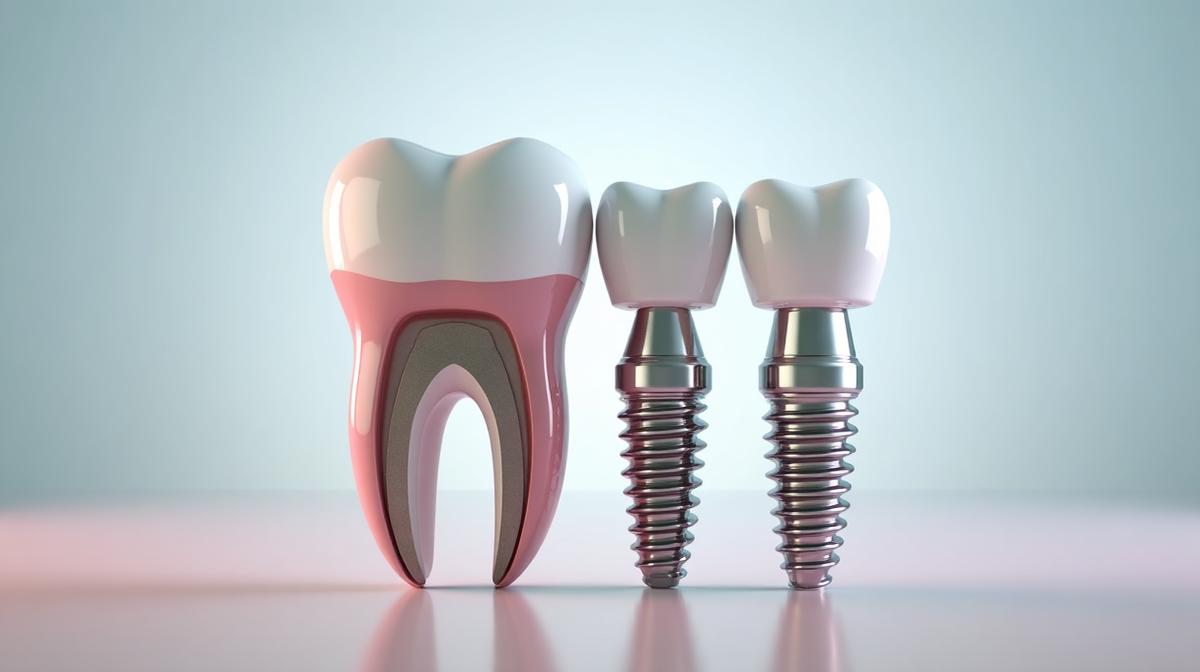
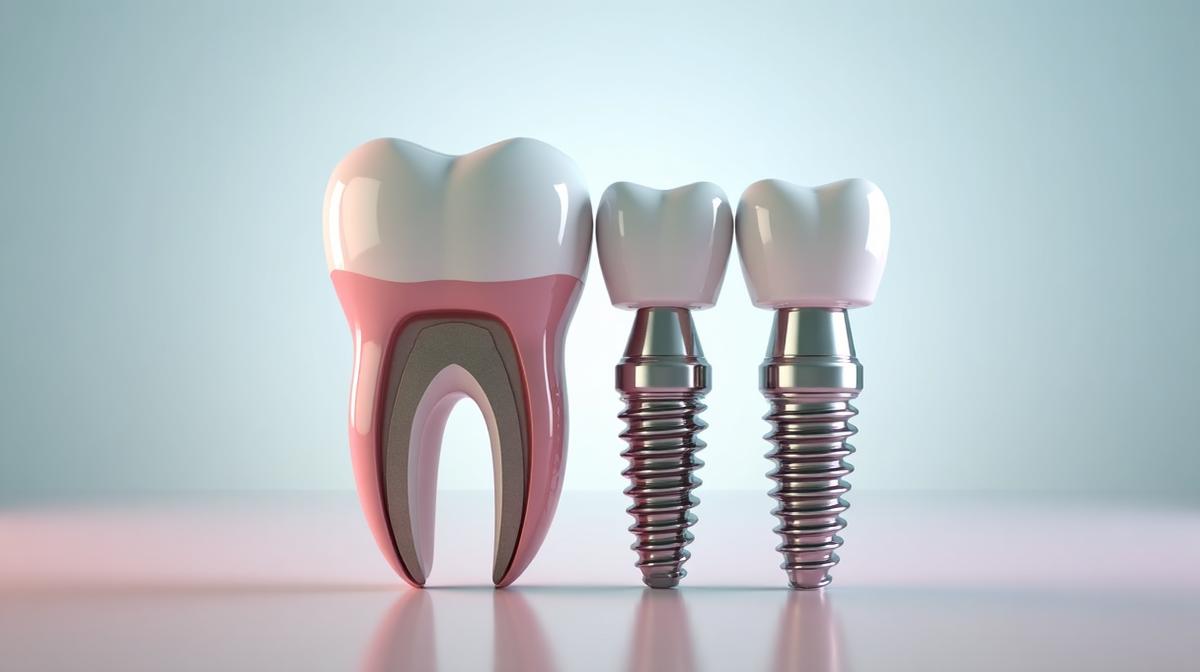
If you have been told there is "not enough bone" for an implant, bone grafting for dental implants is often the answer. A bone graft rebuilds the part of the jawbone that has shrunk, so an implant has a strong base to hold on to. This guide explains why bone is lost, the main types of grafts, how the procedure works, how long healing takes and how a dentist decides whether you need one.
Why Bone Grafting Is Needed for Some Implants
A dental implant is a titanium post that bonds with the jawbone over a few months. For that bond to be strong, the implant must be fully surrounded by healthy bone. Bone can be too thin or too short for several reasons:
- A tooth was lost long ago. Without a root to stimulate it, the jawbone slowly shrinks, especially in the first months after an extraction.
- Gum disease has destroyed bone around the teeth.
- Infection or a difficult extraction damaged the bone.
- In the upper back jaw, the sinus sits just above the roots, leaving little bone height.
- Long-term denture wear can press on and wear down the ridge.
Our dental implant page notes that bone grafting is available when bone density is not enough, so low bone does not automatically rule out an implant.
How the Dentist Knows If You Need a Graft
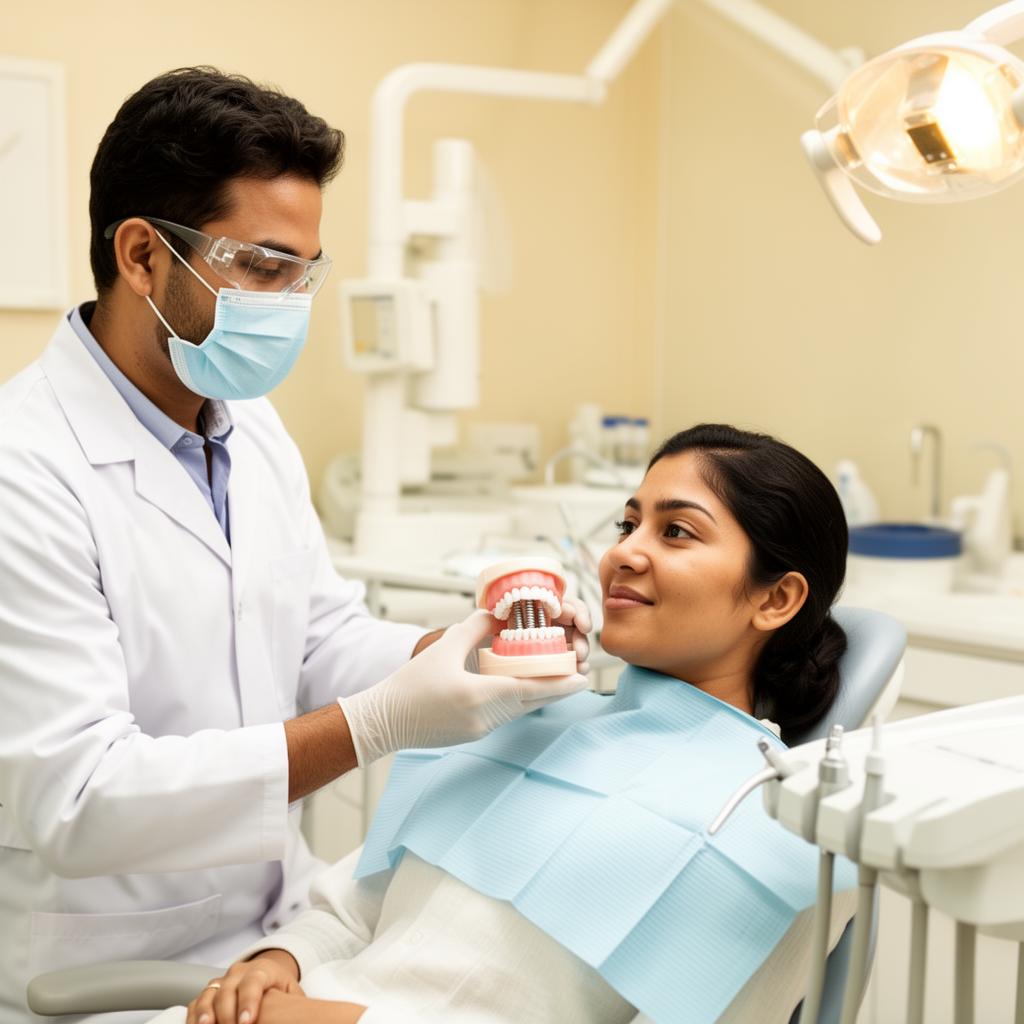
A normal 2D X-ray cannot show bone width properly. That is why implant planning at our clinic starts with a 3D CBCT scan, which measures the height and width of bone at the exact spot where the implant will go. The scan also shows nerves and the sinus. From it, the dentist can tell whether an implant can go in directly, whether a small graft can be added at the same time, or whether the bone needs to be built up first.
Types of Bone Grafts
| Graft material | Where it comes from | Main points |
|---|---|---|
| Autograft | Your own bone, usually from another part of the jaw | Heals very well; needs a second small surgical site |
| Allograft | Processed, sterilised human donor bone | No second site; acts as a scaffold for new bone |
| Xenograft | Processed bone mineral from an animal source (often bovine) | Widely used; holds space while your bone grows in |
| Synthetic (alloplast) | Lab-made materials such as calcium phosphate | No donor tissue; used for smaller defects |
Grafts are often covered with a thin membrane that keeps gum tissue out while bone grows in. Your dentist will explain which material suits your case and why.
Common Bone Grafting Procedures
Socket preservation
Graft material is placed in the socket right after a tooth is removed, to limit shrinkage. This is useful when an implant is planned but cannot be placed the same day.
Ridge augmentation
When the jaw ridge has become too thin or too low, graft material is added on its side or top to rebuild its width or height.
Sinus lift
In the upper back jaw, the sinus floor is gently lifted and graft material is placed beneath it to create enough height for an implant.
Graft at the same time as the implant
If the bone is only slightly short, a small graft can often be placed around the implant during the same surgery, avoiding a separate procedure.
What the Procedure Is Like
- Planning: check-up, medical history and CBCT scan.
- Local anaesthesia: the area is numbed, as for an implant or extraction.
- Placing the graft: the gum is opened, graft material is placed and covered with a membrane if needed.
- Stitches: the gum is closed over the graft.
- Healing: the graft is left to turn into your own bone before the implant goes in, unless both were done together.
Afterwards, expect some swelling and soreness for a few days. Eat soft food and chew on the other side; our guide on what to eat after implant surgery applies to grafts as well.
How Long Does a Bone Graft Take to Heal?
Healing time depends on the size of the graft and the material used. A small graft placed with the implant heals along with it. A larger graft or sinus lift is commonly left for a few months before the implant is placed, and the implant then needs its own healing time of about 3 to 6 months before the crown. Your dentist will check the area, often with another scan, before moving to the next step.
Healing is slower in smokers and in people with poorly controlled diabetes. If you have diabetes, read our guide on dental implants for diabetic patients.
Can You Avoid a Bone Graft?
- Replace a tooth sooner rather than later. Bone shrinks most in the months after an extraction.
- Ask about socket preservation when a tooth has to be removed and an implant is planned.
- Treat gum disease early to protect the bone around remaining teeth.
- Ask about alternatives such as a bridge or implant-supported denture if grafting is not right for you. See dental implant vs bridge.
Bone Grafting and Dental Implants Near Kharar, Mohali and Chandigarh
Smiles & Scans Dental Clinic is at SCO 31, Sector 125, New Sunny Enclave, Kharar, a short drive from Mohali and Chandigarh. Implant planning starts with a 3D CBCT scan at the clinic, so you know before treatment whether a graft is needed and why. You get a written plan with each step and its timeline.
- Dental implants in Kharar and our Sunny Enclave clinic
- Dental implant in Mohali
- Choosing an implant centre in Kharar
- Dental implants for Chandigarh patients
Book a Consultation
Call +91 90413 60096 or book an appointment online. We are open 10:00 AM to 7:00 PM every day except Tuesday (closed; for emergencies please call for an appointment).
This article is general information and not a substitute for advice from your own dentist.
Frequently Asked Questions
Do I need a bone graft for a dental implant?
Only if the bone at the implant site is too thin or too short. A 3D CBCT scan measures the bone and shows whether an implant can go in directly, with a small graft, or after the bone is rebuilt.
Is bone grafting painful?
It is done under local anaesthesia, so you should not feel pain during the procedure. Afterwards there is usually some swelling and soreness for a few days, managed with prescribed medicines.
How long after a bone graft can I get an implant?
A small graft can often be placed with the implant. A larger graft or sinus lift is usually left to heal for a few months first. Your dentist checks healing before placing the implant.
What is a sinus lift?
A sinus lift adds bone height in the upper back jaw by gently lifting the sinus floor and placing graft material beneath it, so an implant can be placed there.
What is socket preservation?
Placing graft material in a tooth socket right after extraction to reduce bone shrinkage, so an implant can be placed later with less need for further grafting.
What are bone grafts made of?
Your own bone, processed donor bone, processed animal-derived bone mineral, or synthetic materials. Your dentist will explain which suits your case.
Can I avoid a bone graft?
Replacing a missing tooth early, socket preservation after extraction and treating gum disease all help keep bone. If grafting is not suitable, a bridge or implant-supported denture may be options.
Where can I get bone grafting and implants near Kharar or Mohali?
Smiles & Scans Dental Clinic, SCO 31, Sector 125, New Sunny Enclave, Kharar plans implants and grafts with a 3D CBCT scan at the clinic. Call +91 90413 60096 to book.