Dental Implants
Dental Implants for Diabetic Patients: Is It Safe and What to Expect

Yes, many people with diabetes can get a dental implant safely. What matters most is not whether you have diabetes, but how well it is controlled. A dental implant for a diabetic patient is usually planned like any other implant, with a few extra checks before surgery and a little more care during healing. This guide explains why sugar control matters, what tests to expect, how healing differs, and how to look after your implant for the long term.

Can a Diabetic Patient Get a Dental Implant?
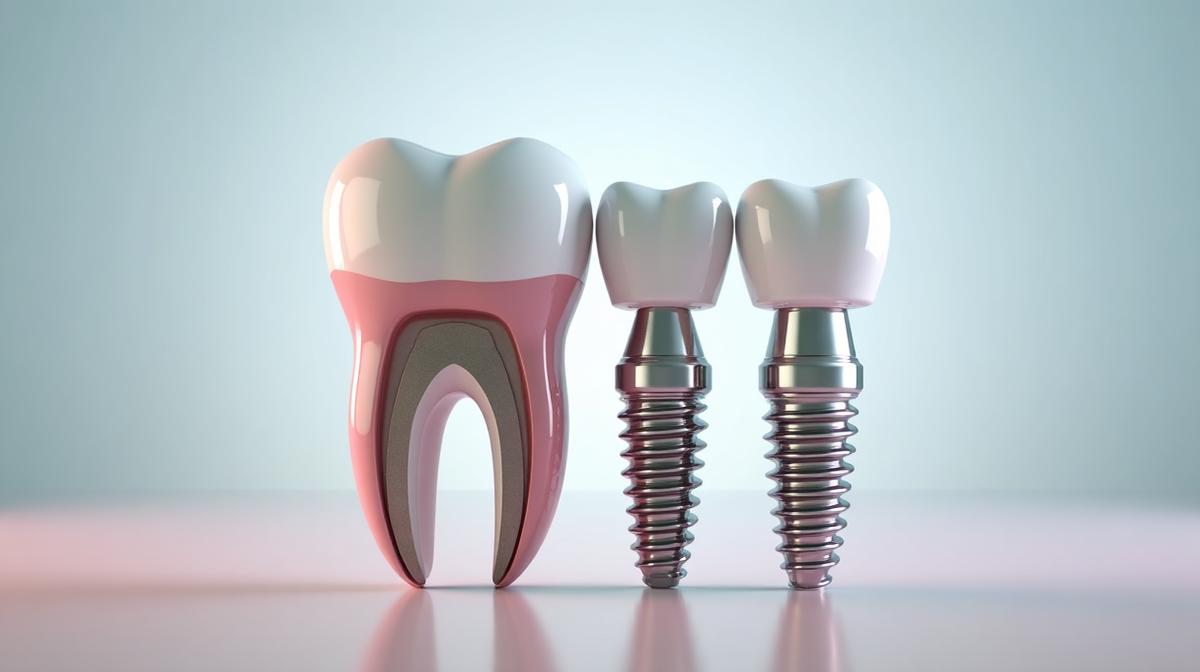
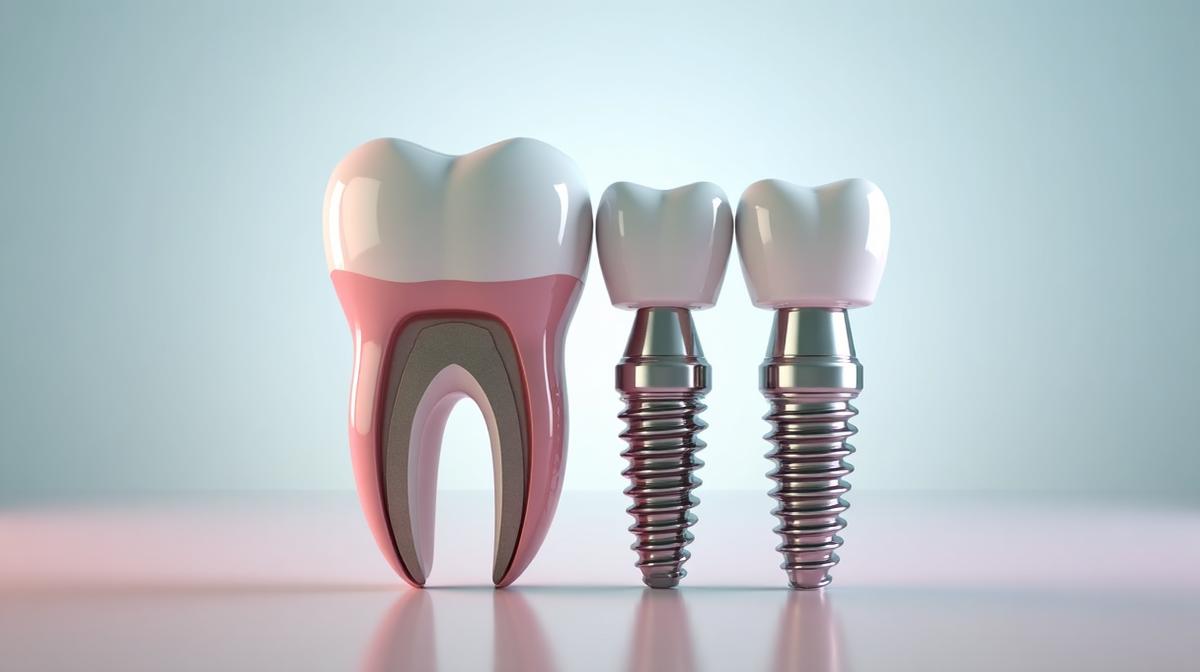
In most cases, yes. A dental implant is a titanium post placed in the jawbone that bonds with the bone over a few months. Our dental implant treatment page explains that this healing (osseointegration) usually takes 3 to 6 months before the final crown is fitted.
Diabetes can affect this healing in two ways. High blood sugar slows down wound healing, and it makes gums more prone to infection and gum disease. When sugar levels are well controlled, healing is generally much closer to that of a person without diabetes. When sugar is poorly controlled, the risk of infection and of the implant not bonding properly goes up.
So the honest answer is: controlled diabetes is usually not a barrier; uncontrolled diabetes is a reason to wait and get sugar levels in order first.
Controlled vs Uncontrolled Diabetes: What Changes
| Factor | Well-controlled diabetes | Poorly controlled diabetes |
|---|---|---|
| Gum healing after surgery | Usually close to normal | Slower, more swelling and soreness |
| Risk of infection | Slightly higher than average | Noticeably higher |
| Bone bonding with the implant | Usually good | Less predictable |
| Gum disease around the implant later | Manageable with cleaning and check-ups | More likely |
| Usual advice | Go ahead with planning | Improve sugar control first, then plan |
Tests and Checks Before Implant Surgery
Before planning an implant, your dentist will usually ask about your diabetes and may request a few things:
- HbA1c report: this blood test shows your average sugar over the last 2 to 3 months. It tells the dentist far more than a single fasting reading. Many dentists prefer it to be in the range your physician considers well controlled before surgery.
- Recent fasting and post-meal sugar: to check your sugar on the days around surgery.
- List of medicines: including tablets, insulin and any blood thinners, so timings and doses can be planned around the procedure.
- Gum check: diabetes and gum disease often go together. Any gum infection is treated before the implant.
- 3D CBCT scan: to measure the height and width of the bone where the implant will go. Implant planning at our clinic starts with CBCT imaging.
- Your physician's advice: if your sugar has been unstable, your dentist may ask your doctor whether surgery should wait.
How Healing Is Different With Diabetes
The steps of the treatment are the same as for anyone else (you can read them in our dental implant procedure guide). What changes is the attention to healing:
- Healing time may be at the longer end of the usual 3 to 6 months before the crown is fitted. Your dentist will check the implant before loading it.
- Antibiotics and mouthwash may be prescribed. Take them exactly as advised and finish the course.
- Follow-up visits matter more. They let the dentist spot slow healing or infection early.
- Diet during recovery needs to be soft and sugar-friendly. Our guide on what to eat after dental implant surgery lists soft Indian foods; with diabetes, choose dal, curd, eggs, paneer and vegetables, and limit sweet shakes and kheer.
Tips for Diabetic Patients Planning an Implant
- Get your sugar in range first. Work with your physician; a few weeks of good control before surgery helps healing.
- Do not skip meals or medicines on the day of surgery. Eat as your doctor advises and tell the dental team when you last ate and took your medicine.
- Stop smoking. Smoking and diabetes together slow healing a great deal.
- Treat gum problems early. Bleeding or swollen gums should be checked before implant planning. See our tips on dental care for diabetic patients.
- Keep monitoring at home during the first two weeks after surgery, as pain and stress can raise sugar levels.
- Plan for regular cleanings after the crown is fitted. Implants do not get cavities, but the gum and bone around them can still get infected.
Warning Signs to Report
Some soreness and swelling for a few days is normal. Call your dentist if you notice:
- swelling or pain that increases after the third day,
- pus, a bad taste or a bad smell from the implant area,
- fever, or blood sugar readings that stay much higher than usual,
- bleeding gums around the implant, or the implant feeling loose.
Implant Options When You Have Diabetes
The type of implant treatment depends on how many teeth are missing, not on diabetes itself. Options include a single tooth implant, an implant-supported bridge for several missing teeth, full arch implants, and implant-supported dentures. If implants are not suitable for now, a bridge or a denture can replace teeth in the meantime. Our comparison of dental implant vs bridge explains the trade-offs.
Dental Implants for Diabetic Patients in Kharar, Mohali and Chandigarh
Smiles & Scans Dental Clinic is at SCO 31, Sector 125, New Sunny Enclave, Kharar, close to Mohali and Chandigarh. Every implant plan starts with a check-up, a review of your medical history and a 3D CBCT scan at the clinic. If you have diabetes, bring your latest HbA1c report and your medicine list to the first visit so the plan can be made around them.
- Dental implants in Kharar and our Sunny Enclave dental clinic
- Dental implant in Mohali
- How to choose an implant centre in Kharar
- Dental implants for Chandigarh patients
Book a Consultation
Call +91 90413 60096 or book an appointment online. We are open 10:00 AM to 7:00 PM every day except Tuesday (closed; for emergencies please call for an appointment).
This article is general information and not a substitute for advice from your own dentist and physician, who know your medical history.
Frequently Asked Questions
Can a diabetic patient get a dental implant?
Usually yes, if the diabetes is well controlled. Controlled diabetes generally heals close to normal. Poorly controlled diabetes raises the risk of infection and slow healing, so sugar control is improved first.
What HbA1c is needed for a dental implant?
There is no single number for everyone. Many dentists prefer HbA1c to be in the range your physician considers well controlled. Your dentist may consult your doctor if your levels have been high.
Do dental implants fail more often in diabetics?
The risk is higher when blood sugar is poorly controlled. With good control, good oral hygiene and regular check-ups, implants in diabetic patients usually do well.
Does diabetes make implant healing slower?
It can. Healing may take toward the longer end of the usual 3 to 6 months before the crown is fitted, and your dentist will check the implant before loading it.
Should I take my diabetes medicine on the day of implant surgery?
Follow your physician's and dentist's advice. Usually you should not skip meals or medicines; tell the dental team when you last ate and took your medicine.
What should a diabetic eat after implant surgery?
Soft, low-sugar foods such as dal, curd, eggs, paneer, khichdi and soft vegetables. Limit sweet shakes, kheer and juices, and keep checking your sugar levels.
Is a bridge better than an implant for diabetics?
Not necessarily. An implant protects the neighbouring teeth and bone. A bridge may be chosen if sugar control is poor or bone is limited. Your dentist will explain the options for your case.
Where can I get a dental implant near Kharar if I have diabetes?
Smiles & Scans Dental Clinic, SCO 31, Sector 125, New Sunny Enclave, Kharar plans implants after a medical history review and a 3D CBCT scan. Bring your HbA1c report and medicine list. Call +91 90413 60096.